
Augmented Reality and Virtual Reality: New Frontiers in Entertainment and Education
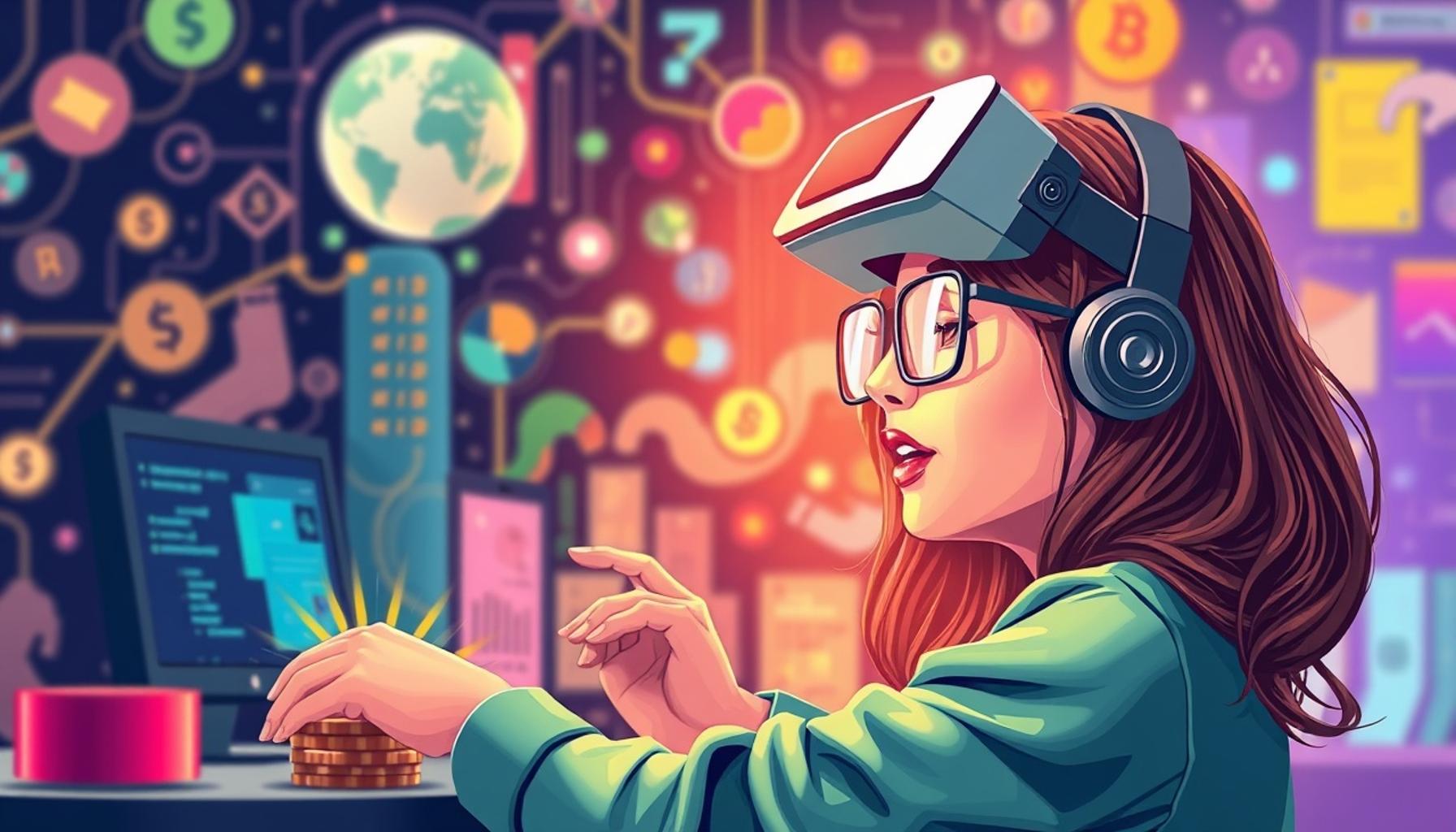
Exploring the Impact of Augmented Reality (AR) and Virtual Reality (VR)
The integration of Augmented Reality (AR) and Virtual Reality (VR) technologies into our daily lives is reshaping both entertainment and education in unprecedented ways. These innovative technologies not only augment our physical reality by overlaying digital information onto the real world but also immerse users into simulated environments, leading to experiences that were once confined to the realm of imagination.
Transformations in Entertainment
In the entertainment industry, AR and VR have sparked a revolution that enhances user experience and engagement. For instance, in gaming, titles like Pokémon GO have changed the landscape of mobile gaming by encouraging players to explore their real-world environments to capture virtual creatures. This blend of physical exploration with digital interaction allows players to be active participants in their gaming experience, fostering social connections as they share challenges and achievements with peers.
Moreover, the film industry is leveraging VR to create interactive storytelling experiences. Imagine watching a film and being able to step into the shoes of the main character, viewing the world from their perspective and making choices that influence the narrative. Productions like The Invisible Man have experimented with this format, transforming passive viewers into active participants whom the story unfolds around, enhancing emotional investment and engagement.
Live events have also embraced these technologies. Concerts and sports events now offer options for virtual attendance, allowing fans to experience front-row views from the comfort of their homes. Platforms like NextVR broadcast live performances in immersive 360-degree settings, providing an experience that surpasses traditional viewing methods and allowing fans to feel a sense of presence at a venue miles away.
Enhancements in Education
In the educational sector, AR and VR are making learning more interactive and engaging. For example, with AR applications, students can scan physical textbooks to see supplementary videos or 3D models that illustrate complex concepts. This dynamic approach to learning helps in retaining information better, as students can visualize and interact with the material rather than just passively reading.
Additionally, these technologies are instrumental in skill development across various fields. Medical students can practice surgeries in realistic virtual environments without the high stakes involved in actual procedures. Programs like Osso VR enable trainees to refine their skills by practicing on virtual patients, paving the way for more competent professionals in the medical field.
Furthermore, AR and VR contribute to increased engagement in the classroom. Traditional subjects, such as science and history, are transformed into immersive explorations. For instance, a student studying ancient Rome can virtually walk through the Colosseum or attend a gladiatorial match, making historical events more tangible and memorable. This form of interactive learning fosters a deeper understanding of the subject and appeals to diverse learning styles.
Looking Ahead
As the technology behind AR and VR continues to advance, their applications promise exciting enhancements in both entertainment and education. The potential to connect with content in a more immersive and engaging manner suggests that the future will bring even more innovative experiences. Through continued exploration and development, AR and VR will redefine how we interact with and understand our world.
DIVE DEEPER: Click here to discover the impact of 5G technologies
Enhancing Engagement and Learning Through AR and VR
The remarkable capabilities of Augmented Reality (AR) and Virtual Reality (VR) are ushering in a new era where traditional forms of entertainment and education are transformed into more engaging and immersive experiences. These technologies are not just about flashy graphics and high-tech gadgets; they fundamentally change how we interact with content, enabling users to learn, explore, and discover in ways that were previously unimaginable.
Revolutionizing Gameplay and Interactive Experiences
In the gaming arena, AR and VR are providing innovative ways for players to engage with their favorite titles. With AR games like Pokémon GO, players utilize their mobile devices to mix the virtual and physical worlds, resulting in an enriching, real-world interaction that creates a communal experience. For example, players may gather in popular parks or urban areas to capture rare Pokémon, forming friendships and teams along the way. This fusion encourages outdoor activity and social interactions, transcending the conventional nature of gaming.
Moreover, VR gaming takes engagement a step further by immersing players in meticulously crafted universes that captivate their senses. Games like Beat Saber not only test reflexes but also promote physical activity, proving that gaming can be both fun and beneficial for health. This level of interaction not only makes the gameplay more captivating but also fosters cognitive development by challenging players to think strategically and react quickly.
Transformations in the Film and Entertainment Sector
As AR and VR continue to evolve, the film industry is embracing these technologies to offer storytelling that permeates passive viewing. Audiences can now participate in narratives, placing them directly into the action as interactive storylines unfold. Productions like Westworld VR not only allow viewers to consume content but to experience it as if they were a part of the story. The ability to explore environments and interact with characters deeply increases emotional investment, creating a unique connection between the audience and the narrative.
Augmented Education: A New Era of Learning
The educational potential of AR and VR is vast and multifaceted. By incorporating these technologies into learning environments, educators can create interactive and immersive experiences that enhance comprehension and retention. For instance, science classrooms can become virtual laboratories where students safely experiment with chemical reactions or biological processes. This approach not only makes complex subjects more accessible but also encourages curiosity and exploration.
In addition to direct applications, AR and VR can enhance coursework across various subject areas. Consider the following benefits:
- Enhanced Visualization: AR can bring textbook diagrams to life, allowing students to see 3D models of molecules in chemistry or ancient artifacts in history.
- Safe Practice Environments: VR simulations allow students, particularly those in fields like medicine or engineering, to practice high-stakes skills without real-world consequences.
- Diverse Learning Styles: These technologies cater to different learning preferences, making complex or abstract concepts more tangible and relatable.
As we continue to explore the connected realms of entertainment and education, it is clear that AR and VR are not just passing trends; they represent a significant shift in how we experience and understand our world. With ongoing advancements, we can anticipate even more groundbreaking applications that utilize these technologies to foster deeper engagement and understanding.
DISCOVER MORE: Click here to learn how social media is reshaping marketing innovation
Bringing History and Science to Life
The capabilities of Augmented Reality (AR) and Virtual Reality (VR) extend far beyond gaming and entertainment, finding profound applications in the fields of history and science education. These technologies enable learners to dive into complex topics or historical events, transforming passive learning into immersive experiences that captivate curiosity.
Experiencing History Firsthand
Imagine being able to witness pivotal moments in history without leaving your classroom. Through AR and VR, students can walk the streets of Ancient Rome, stand atop the pyramids in Egypt, or explore key battlefields from significant wars. Programs like Google Expeditions allow students to virtually tour historical landmarks and explore different cultures, fostering a profound understanding of our past.
In history classes, AR applications can overlay richly detailed graphics over real-world environments, making historical events come alive. For example, a student could point their device at a historical site and see information, images, or reconstructions of what that site would have looked like centuries ago. This direct engagement stimulates emotional connections and aids memory retention, allowing students to remember facts and contexts in a more meaningful way.
Scientific Discoveries in Virtual Environments
STEM education benefits significantly from VR’s immersive nature. With VR headsets, students can enter anatomical models that let them navigate through the human body, identifying organs and systems in a way that textbooks cannot achieve. Programs like Oculus’s Medical Realities offer immersive simulations where students can step into a surgical suite and observe procedures, fostering an understanding of medical practices without the risks involved in real-life scenarios.
Furthermore, AR can revolutionize experiments and labs. Imagine chemistry students conducting virtual experiments where they can mix virtual chemicals and observe outcomes without the danger or expense of actual lab materials. They can visualize molecular structures at a level of detail that traditional methods simply can’t offer, making the information more relatable and easier to grasp.
Fostering Collaborative Learning Experiences
Another significant advantage of AR and VR lies in their ability to facilitate collaborative learning experiences. Students can engage in group projects where they use AR applications to create presentations that incorporate interactive elements. For instance, a group of students could build a virtual ecosystem that demonstrates various ecological interactions, enhancing teamwork and problem-solving skills.
Additionally, VR multi-user environments allow learners from different geographic areas to connect. For example, a virtual classroom can be established where students from various states or even countries can collaborate in real time on projects or explore joint historical timelines, fostering a sense of global citizenship and community.
Accessibility and Inclusion
AR and VR also play a crucial role in making education more accessible. Students with disabilities can benefit from tailored learning experiences that cater to their specific needs. For instance, VR can provide simulations that help those with autism practice social interactions in a controlled environment. Similarly, AR can assist visually impaired students by providing audio descriptions of visual content. This adaptability ensures that lessons cater to diverse learning abilities, promoting inclusivity in the classroom.
As AR and VR technologies evolve, they continue to offer new dimensions to both entertainment and education. Engaging, interactive experiences not only enhance knowledge absorption but also pave the way for a more interconnected world, where learning is not confined to classrooms but becomes a lifelong journey of discovery.
DIVE DEEPER: Click here for an in-depth exploration
Looking Ahead: The Future of Learning and Entertainment
As we stand on the brink of a technological revolution, Augmented Reality (AR) and Virtual Reality (VR) emerge as powerful tools redefining the landscape of both education and entertainment. These technologies are no longer limited to mere novelties; they are transforming how we interact with information, making the learning process dynamic and engaging.
The immersive experiences that AR and VR provide foster greater retention of knowledge and make challenging subjects more understandable. Students can seamlessly transition from theoretical concepts to interactive learning environments, which can significantly enhance their educational outcomes. By stepping into the shoes of historical figures or navigating complex scientific models, they not only gain insights but also develop critical thinking and problem-solving skills essential for the 21st century.
Moreover, as these technologies become increasingly accessible, they promise to democratize learning experiences for diverse populations, ensuring that educational opportunities reach all corners of society. For instance, individuals with disabilities can engage in tailor-made learning scenarios that cater to their unique requirements. This commitment to inclusivity is crucial in preparing future generations to thrive in an ever-changing world.
Ultimately, the integration of AR and VR in our educational and entertainment ecosystems signifies a profound shift in how we perceive and share knowledge. As we embrace these innovations, we must remain vigilant in assessing their impact, ensuring they are utilized ethically and effectively to cultivate a more informed, creative, and compassionate society. The exploration into AR and VR is just beginning, and their potential to enrich our lives and learning experiences is boundless.

Linda Carter
Linda Carter is a writer and expert known for producing clear, engaging, and easy-to-understand content. With solid experience guiding people in achieving their goals, she shares valuable insights and practical guidance. Her mission is to support readers in making informed choices and achieving significant progress.