
The Impact of 5G Technologies on Innovation in Smart Cities
Understanding 5G Technology
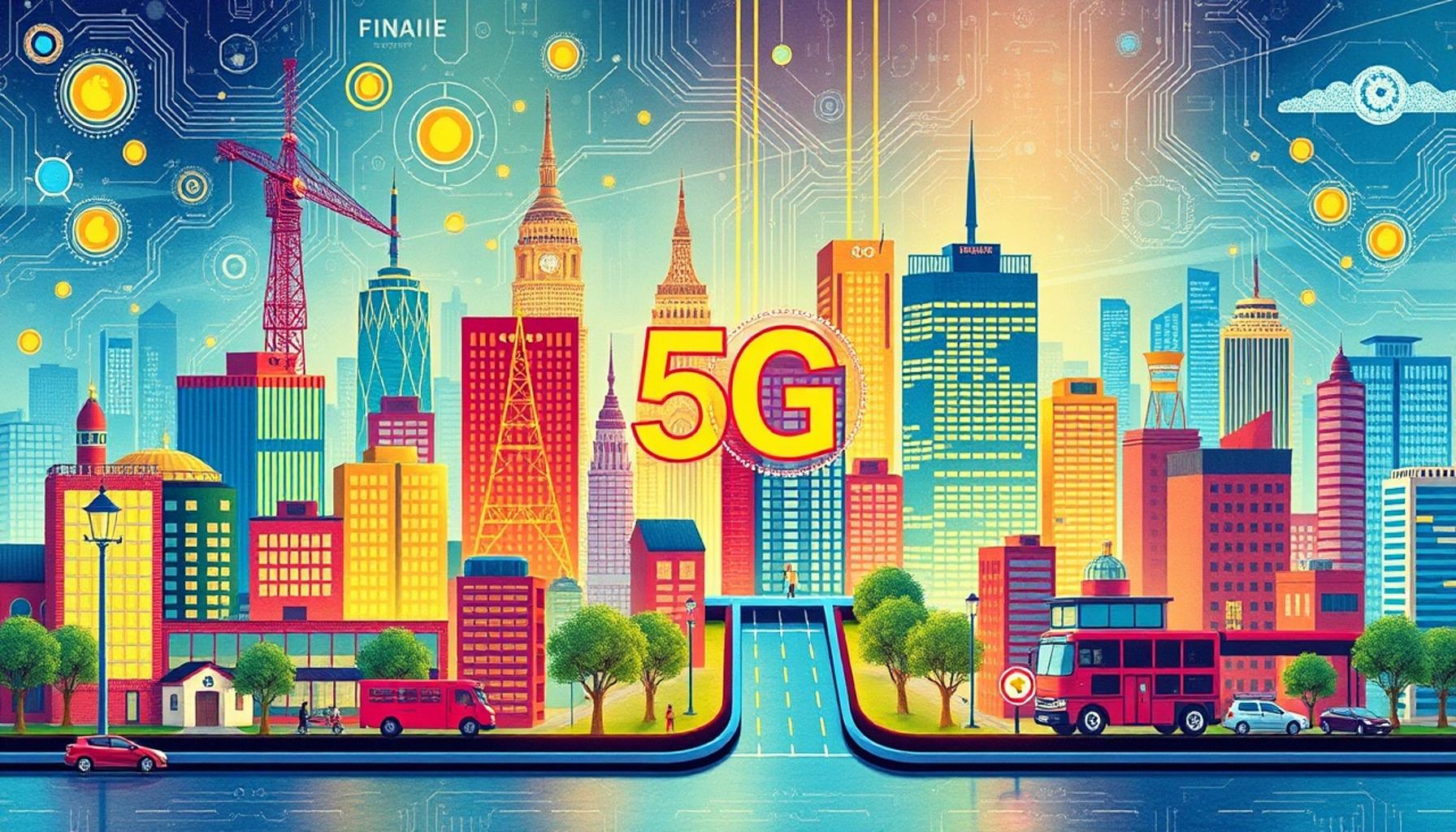
The evolution of wireless communication has brought us to the brink of a major transformation in urban living— the implementation of 5G technology. This cutting-edge standard is designed to meet the growing demand for faster, more reliable internet connectivity, which is crucial as our reliance on digital interactions increases in our daily lives. With its vastly improved capabilities, 5G is not just a technical upgrade; it is the foundation upon which smart cities can be built.
High-Speed Connectivity
High-Speed Connectivity is one of the most significant features of 5G technology. With peak data rates potentially reaching up to 10 Gbps, this offers a considerable speed advantage over its predecessor, 4G LTE. For example, downloading a high-definition movie could take mere seconds, compared to several minutes on older networks. Such speed enables seamless streaming, rapid data sharing, and effective telecommuting, making remote work more productive.
Low Latency
Another key attribute of 5G is its Low Latency, which can reduce delays to an astonishing 1 millisecond. This is critical for applications where instant response is vital, such as in autonomous vehicles. For instance, a self-driving car may need to make split-second decisions based on data from other vehicles or traffic signals. The near-instantaneous communication enabled by 5G could be the difference between avoiding an accident or causing one.
Massive Device Support
Additionally, 5G supports a vast number of connections within the same area, described as Massive Device Support. This feature allows cities to deploy numerous Internet of Things (IoT) devices efficiently, such as smart meters, sensors, and connected traffic lights. For example, a city may implement smart streetlights that adjust their brightness based on the surrounding activity, which can lead to energy savings and enhanced public safety.
Benefits for Smart Cities
The implications of these features on urban living are substantial. For instance, improvement in traffic management systems can be achieved through real-time data analysis, allowing city planners and commuters to navigate through congestion more effectively. Data sent from connected vehicles can help traffic signals adjust dynamically, reducing wait times and lowering emissions.
Moreover, enhanced public safety is a significant benefit of 5G in smart cities. For example, smart surveillance systems can analyze live footage to detect unusual activity and alert law enforcement instantly, increasing responsiveness to emergencies.
Lastly, the push towards sustainable practices is bolstered through the use of smart energy grids that assess and optimize electricity usage based on real-time demand. Such innovations can lead to reduced carbon footprints and better conservation of resources.
As we delve deeper into the transformative power of 5G technologies, it’s clear that these advancements are not only enhancing daily urban experiences but also promoting an efficient, sustainable, and connected future. The grasp of these changes is vital for citizens, policymakers, and businesses who will co-create the smart cities of tomorrow.
DIVE DEEPER: Click here to uncover the evolution
Transformative Aspects of 5G Technologies in Urban Environments
As cities evolve to embrace the concept of smart living, the transformative capacity of 5G technologies begins to shine through in various innovative applications. Its promise extends far beyond just faster internet speeds; it heralds a holistic enhancement in urban management, public services, and overall quality of life.
Enhanced Transportation Solutions
The integration of 5G technology is set to revolutionize transportation systems, providing solutions that increase efficiency and improve user experience. This transformation hinges on the near real-time communication capabilities of 5G, enabling more seamless interactions between vehicles, infrastructure, and passengers. Consider some of these innovative applications that illustrate these advancements:
- Real-Time Tracking: Passengers can receive updates on bus and train arrivals instantly on their smartphones. For instance, cities like Los Angeles are implementing real-time tracking apps that allow commuters to see how far away their bus is, significantly reducing wait times and uncertainty. This leads to more efficient commuting and encourages the use of public transport.
- Dynamic Route Management: Public transportation routes can adapt to real-time traffic conditions. In cities such as San Francisco, technology can analyze traffic patterns and adjust bus routes accordingly, ensuring that vehicles take the most efficient paths and arrive on time.
- Smart Parking Solutions: Sensors embedded in parking facilities can monitor the availability of spaces. By guiding drivers to open spots, cities like Chicago can reduce the time spent searching for parking, ultimately decreasing congestion and emissions.
Improved Waste Management
5G technology also plays a crucial role in enhancing waste management. Smart refuse bins equipped with sensors can continuously monitor waste levels, sending alerts when they are full. For example, cities like New York are deploying these smart bins to optimize collection routes and schedules. This not only saves time but also reduces operational costs for municipal services. Moreover, utilizing the data gathered can facilitate better recycling practices, offering insights into consumer behavior while promoting sustainability within the community.
Healthcare Innovations
The healthcare sector stands to gain immensely from the strategic deployment of 5G technologies. Remote health monitoring devices can transmit data instantly, allowing healthcare providers to respond quickly to patient needs. For instance:
- Telemedicine Services: Patients can receive virtual consultations with medical professionals, eliminating the need for travel, especially in rural areas. This accessibility enhances patient care by allowing timely interventions.
- Wearable Devices: Wearables that monitor vital signs can alert healthcare providers if any abnormalities arise. For instance, devices like smartwatches can track heart rate or blood pressure, ensuring proactive care and minimizing potential health crises.
Through careful analysis of these implications, it becomes clear that 5G is more than just a tool for faster connectivity; it is a catalyst for urban innovations that enhance efficiency, sustainability, and quality of life in smart cities. To fully leverage the benefits of these technologies, collaboration among stakeholders—such as government entities, local businesses, and community organizations—is essential. Working together, they can implement these advancements in ways that are equitable and beneficial for all residents, ensuring a smarter and more connected urban environment.
DIVE DEEPER: Click here to learn how social media is reshaping marketing innovation
Innovative Public Safety Initiatives Through 5G
Public safety is an essential component of urban living, and the advent of 5G technology is fostering groundbreaking innovations in this field. By enabling fast, reliable communication, 5G enhances emergency response systems and contributes to overall urban safety. Cities can leverage 5G to implement and enhance systems that protect their residents, transforming how they respond to emergencies.
Smart Surveillance Systems
With 5G, cities can deploy smart surveillance cameras that utilize artificial intelligence (AI) for real-time monitoring. These cameras can detect suspicious activities and automatically alert law enforcement. For instance, cities such as Chicago have started piloting systems where AI can flag unauthorized entries or crowd density in public spaces, which helps authorities manage crowds during events more effectively.
Emergency Response Coordination
Another area significantly impacted by 5G technologies is the coordination of emergency response teams. First responders can use high-speed data to transmit images and live video feeds to hospitals while en route to provide critical updates. This level of connectivity allows emergency rooms to prepare for incoming patients, ultimately enhancing patient outcomes. In cities like Miami, the integration of 5G has enabled a more proactive approach in disaster responses, including hurricanes, by facilitating communication among various agencies to streamline evacuations and emergency services.
Smart Lighting Solutions
5G is also contributing to innovations in smart street lighting, which not only enhances safety but also promotes energy efficiency. Smart lighting systems can adjust their brightness based on the surrounding environment, reducing energy consumption during off-peak hours. For instance, in San Diego, streetlights connected via 5G can change brightness levels based on pedestrian movement or vehicular traffic. This adaptive technology not only saves energy but also enhances visibility and safety on city streets during late hours.
Community Engagement and Communication
The role of 5G extends to improving community engagement and communication as well. Smart cities can utilize apps and platforms that allow citizens to report issues such as potholes or streetlight malfunctions in real-time. Cities like Seattle have integrated 5G technology to enhance their civic engagement platforms, facilitating effective feedback loops between residents and local governments. This level of interaction not only builds trust but also empowers residents to be active participants in their urban environments.
Moreover, enhanced communication systems can inform the public about emergencies or important news in real-time, ensuring that residents remain safe and informed. For example, cities can broadcast alerts about severe weather conditions or public safety threats effectively through mobile apps, making sure that everyone is aware of the situation and can take appropriate action.
As urban landscapes evolve, the utilization of 5G technologies fosters not only safety and efficiency but also fosters a sense of community resilience. With the potential to enhance smart surveillance, emergency responsiveness, intelligent lighting, and community communication, 5G is shaping the future of public safety in smart cities, creating environments where residents feel secure and connected.
DIVE DEEPER: Click here to discover more
Conclusion
In conclusion, the profound impact of 5G technologies on innovation in smart cities cannot be overstated. The ability of 5G to provide high-speed, reliable connectivity is driving transformative changes across various urban domains, from public safety enhancements to energy efficiency and community engagement. As we’ve explored, the integration of advanced technologies such as AI in smart surveillance systems and the deployment of adaptive smart lighting solutions significantly improve city management and safety protocols. Moreover, enhanced communication systems foster a stronger relationship between local governments and residents, encouraging civic participation and responsiveness.
As urban areas continue to grow and evolve, the importance of leveraging 5G technology becomes increasingly clear. The future of smart cities will rely heavily on this advanced connectivity to enable real-time data sharing and decision-making processes, ultimately creating more resilient, responsive, and interconnected urban environments. However, cities must also consider the challenges associated with implementing such technologies, including issues of privacy, cybersecurity, and equitable access.
Overall, the potential of 5G to reshape urban landscapes and enhance the quality of life for residents is enormous. With thoughtful integration and careful planning, cities have the opportunity to embrace this technological revolution, paving the way for smarter and safer communities where innovation thrives.

Linda Carter
Linda Carter is a writer and expert known for producing clear, engaging, and easy-to-understand content. With solid experience guiding people in achieving their goals, she shares valuable insights and practical guidance. Her mission is to support readers in making informed choices and achieving significant progress.